

























































Litigation
The National Security Scam

Just about everything gets labeled an emergency or national security threat these days. The courts may be starting to catch on.
The Trump Administration invokes national security and declares national emergencies to justify all manner of actions such as excusing violation of environmental laws. Past Administrations have gotten strong deference for their emergency claims. But this one may be quickly using up its credibility. You can pass a certain number of counterfeit bills, but a flood of counterfeits is hard to hide.
CONTINUE READINGJudge Smacks Down EPA’s Attempt to Revoke Six of California’s Waivers

She calls EPA’s legal arguments Orwellian.
Judge Beryl Howell of the U.S. District Court for the District of Columbia is having none of EPA’s shenanigans in the agency’s most recent attempt to revoke four of California’s waivers to cut pollution from vehicles. On Wednesday, Howell issued a preliminary injunction — accompanied by a stinging opinion – ordering the agency to …
Continue reading “Judge Smacks Down EPA’s Attempt to Revoke Six of California’s Waivers”
CONTINUE READINGClimate at SCOTUS, Electrification Victories, Media Moves
The Drain is a regular roundup of environmental and climate news from Legal Planet.
It’s not every year that climate change looms large at the U.S. Supreme Court, but it will this coming term. The Supreme Court will begin its 2026-2027 term with a case brought by a Colorado county seeking millions of dollars from oil and gas companies for their role in exacerbating climate change. The justices announced recently …
Continue reading “Climate at SCOTUS, Electrification Victories, Media Moves”
CONTINUE READINGUCLA Law Clinic Files Brief Supporting DC’s Clean Buildings Act in DC Circuit
Energy law experts explain local governments’ longstanding primary authority over local gas distribution and use.
Last Friday, UCLA’s Frank G. Wells Environmental Law Clinic filed a DC Circuit brief in support of the District of Columbia’s Clean Buildings Act on behalf of 11 leading energy and environmental law professors: UCLA’s own William Boyd, Lincoln Davies at the University of Utah, Dan Farber and Sharon Jacobs at UC Berkeley, Alexandra Klass …
Continue reading “UCLA Law Clinic Files Brief Supporting DC’s Clean Buildings Act in DC Circuit”
CONTINUE READINGWhich way is the wind blowing in wind energy litigation?
The latest court decisions and legal challenges are shaping the future of wind energy development across the United States
Guest contributor Adelaide Duckett, Legal Fellow at the State Energy & Environmental Impact Center at NYU School of Law Across the country, wind developers and state governments are successfully navigating new legal challenges facing wind energy, fighting to keep projects moving forward despite mounting obstacles. Hostility to wind development has manifested in various ways …
Continue reading “Which way is the wind blowing in wind energy litigation?”
CONTINUE READINGA Trump Rollback Hits a Roadblock
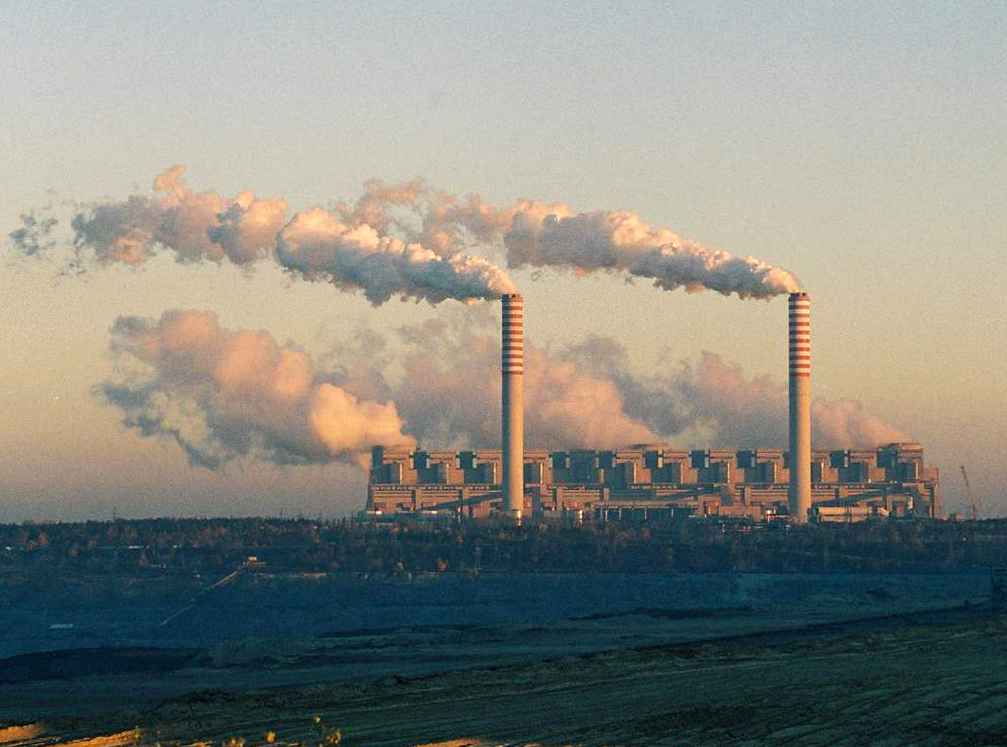
A Trump gambit to undo a key air pollution limit turned out to be a flop.
The Administration has moved more slowly, however, on actually wiping Biden’s regulations off the books. On Friday, the D.C. Circuit decisively rejected one important effort by the Trump EPA. In doing so, it saved (at least for now) a crucial protection for public health. While it’s not impossible to imagine that the Supreme Court might intervene, doing so would probably require it to hear oral argument, given the importance and complexity of the case. That’s unlikely to happen quickly and may not happen at all,
CONTINUE READINGClimate Journalism is “Breaking but Not Broken”

The Drain is a weekly roundup of environmental and climate news from Legal Planet.
The 2026 Pulitzer Prize announcements happened this week and environmental reporting was in the mix though not central enough if you ask me. Here’s where it shined: The Breaking News Reporting category was dominated by journalism covering climate-fueled extreme weather. Finalists included staff of the Seattle Times for more than 100 stories covering catastrophic …
Continue reading “Climate Journalism is “Breaking but Not Broken” “
CONTINUE READINGAn Encouraging Signal About Federal Preemption
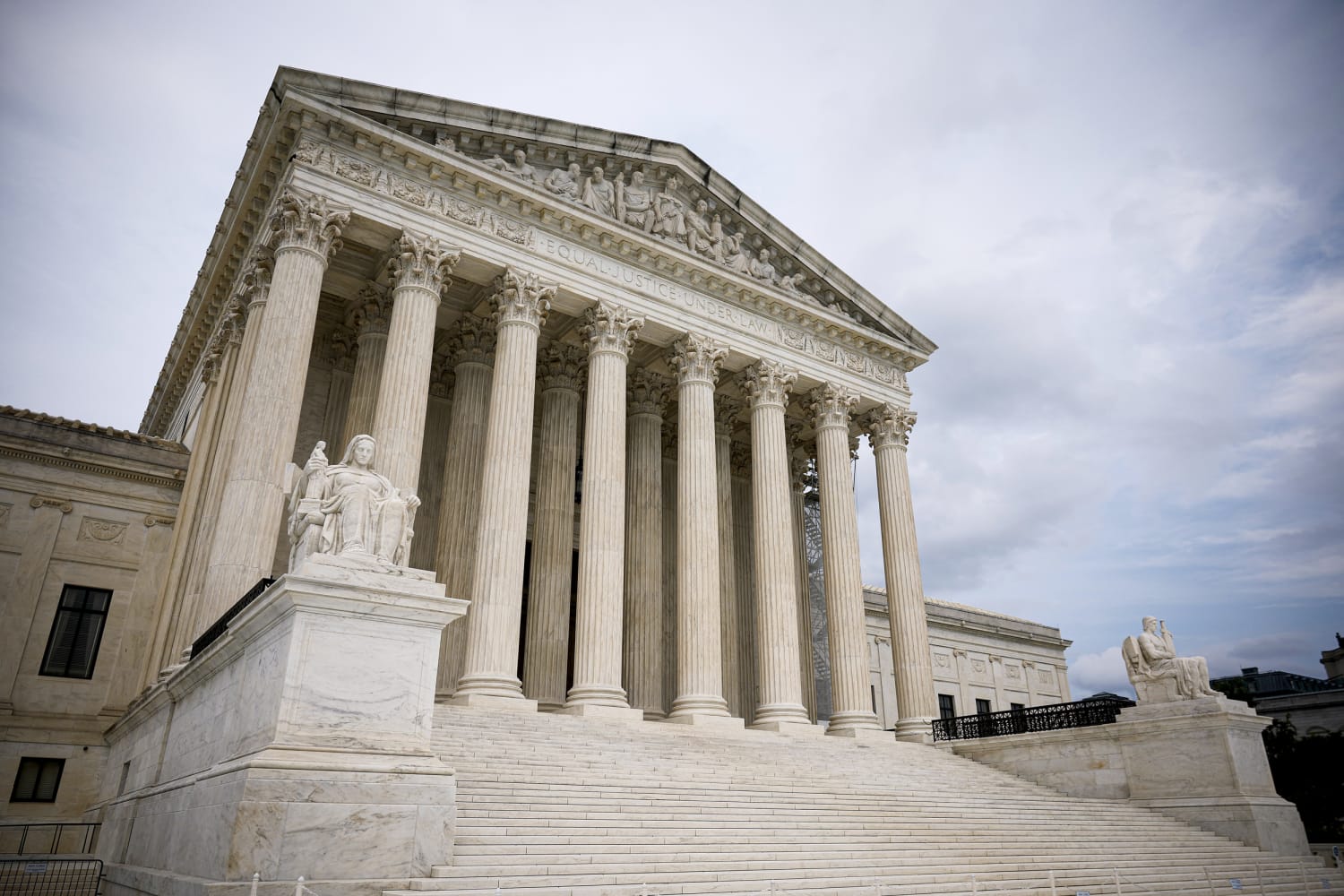
A new Supreme Court ruling should help states defend their climate laws.
The Trump Administration and its allies are attacking state climate laws with challenges based on preemption, arguing that federal law trumps state powers. A new Supreme Court ruling signals that the Court respects state prerogatives and isn’t willing to find preemption without a clear basis in a federal statute. Although the facts of the case are remote from environmental law, the Court’s attitude toward preemption has broader relevance.
CONTINUE READINGTrump’s Slump

The Trump regime is losing ground, creating new policy opportunities.
Trump’s term began with brutal attacks on environment and clean energy policies, but he now longer looks unstoppable. Dems are likely to make major gains in the mid-terms, consumers are deeply unhappy, and his Iran War drags on. These setbacks create openings to push back against his “energy dominance” agenda. Outside the U.S., his effort to expand fossil fuel use is failing. Domestically, there are now openings to blunt his attacks on clean tech and prepare the ground for new policies when he leaves office.
CONTINUE READINGHarmful Activities, the Duty to Rescue, and Climate Change

A concept from tort law suggests another argument for international climate adaptation funding.
Do countries that caused past carbon emissions have a duty to help pay for adaptation and disaster response? Much of the argument about this is phrased in terms of damages for past actions, not unlike arguments that oil companies should pay damages for oil spills. Tort law suggests another way of looking at the issue, one that doesn’t depend on whether the past emissions themselves give rise to duty for reparations. Instead, it depends on the principle that people whose activities contribute to accident risks, even innocently, have a duty to assist victims.
CONTINUE READINGJoin Our Mailing List
Climate policy is changing rapidly. Stay in the loop with expert analysis via email Monday - Friday.

The Drain is a roundup of climate and environmental news from Legal Planet delivered to your Inbox once a week.