


























































Litigation
Democratic Governors and the A-word

The Drain is a weekly roundup of environmental and climate news from Legal Planet.
The governors and legislative leaders of several blue states on the East Coast are obsessed with the A-word: affordability. So much so that several of them are looking to pull money away from state programs that boost renewable energy and energy efficiency, as a shortcut to try to lower electricity costs. In Maryland, Rhode Island, …
Continue reading “Democratic Governors and the A-word”
CONTINUE READINGChallenging Hegseth’s National Security Gambit

Hegseth may not have as much power as he thinks to run roughshod over the Endangered Species Act.
According to a DOJ filing, “[o]n March 13, 2026, the Secretary of War notified the Secretary of the Interior that the Secretary of War found it necessary for reasons of national security to exempt from the ESA’s requirements all Gulf of America oil and gas exploration and development activities.” It’s difficult but not impossible to challenge the government on issues of national security. Hegseth’s demand for an exemption to allow oil companies to destroy endangered species is a bold, aggressive move, much like the decision to go to war against Iran. As with the war itself, however, the legal and political aftermath may prove a lot messier than the Administration is anticipating. Here are some possible arguments that could potentially limit Hegseth’s powers.
CONTINUE READINGFive Lessons from the Tariff Case
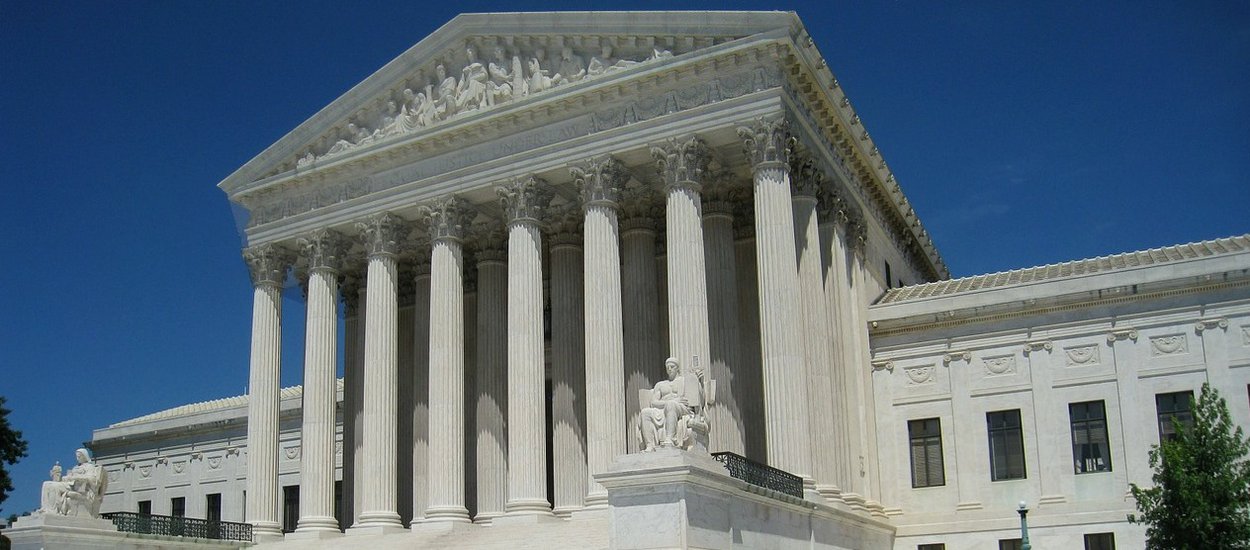
What can the case teach us about litigating environmental cases against Trump?
Learning Resources v. Trump, the recent tariff ruling, doesn’t say anything direct about environmental cases. But there are a series of useful lessons for environmental litigators. One obvious one is that the conservatives aren’t all “in the tank” for Trump (though Alito and maybe Thomas seem have gone pretty MAGA). Trump’s nasty insults of the conservatives who ruled against him probably won’t bring them back onto the Trump train. His effusive praise for the three conservatives who voted for the tariffs may even increase frictions within the supermajority. Here are five more lessons.
CONTINUE READINGDissecting EPA’s Endangerment Repeal: Series Wrap-Up:
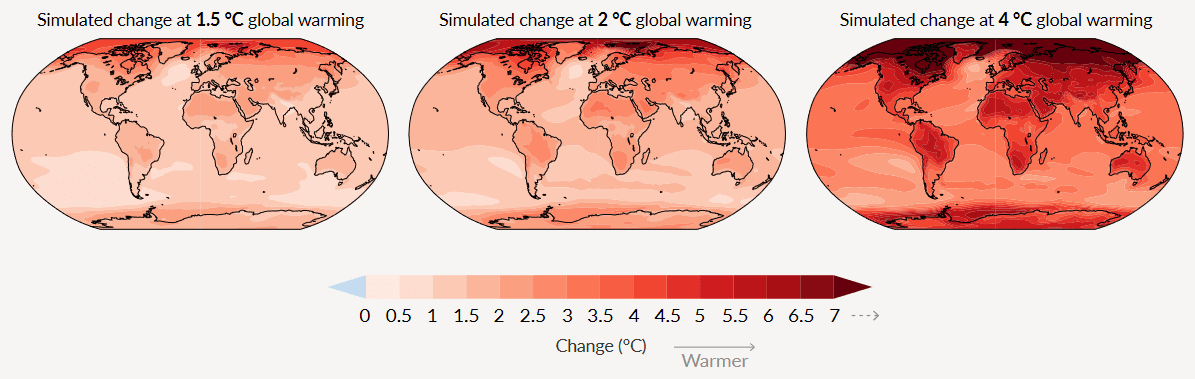
Here’s what you need to know to understand the upcoming legal battles.
Yesterday was the last of five Legal Planet posts on EPA’s repeal of the Endangerment Finding, which it based on legal arguments that it has no power to regulate vehicle emissions of greenhouse gases. The series began with a quick overview of the issues. The remaining posts focus on the reasons that EPA was right to issue the Endangerment Finding in the first place in 2009, the legal precedents supporting the Endangerment Finding. and the impact of the repeal on future climate actions. The bottom line is that EPA was right to issue the Endangerment Finding and wrong to repeal it.
CONTINUE READINGThe Tangled Web of the Boulder v. Suncor Cert Grant

Pass me some aspirin. Attorney General Rob Bonta might want some, too.
On Monday, the U.S. Supreme Court agreed to take up the Boulder v. Suncor Energy case, one of the growing set of state-law nuisance and consumer protection cases filed by states and municipalities against fossil fuel companies for harms from climate change. The Court will review the Colorado Supreme Court’s decision to allow the case …
Continue reading “The Tangled Web of the Boulder v. Suncor Cert Grant”
CONTINUE READINGHas Trump Actually “Driven a Dagger Through the Heart” of Climate Policy?

Lee Zeldin
Don’t jump to conclusions based on the Administration’s spin operation.
there’s a good chance that the repeal of the Endangerment Finding will be reversed by the courts. That would ground federal climate policy even more firmly in the law, so the Administration is taking a gamble. Saying they’ve one is as premature as a roulette player who’s just put all their chips on one number announcing that they’re now rich before the wheel has even started turning. Even if the courts do uphold the repeal, a lot will depend on just what legal theory the judges adopt. Some legal theories would slam the door on efforts by future Democratic presidents. Others would leave room to move forward.
CONTINUE READINGWhat Happens to State Regulation if the Endangerment Findings are Gone?

Answer: State authority wouldn’t suffer from the change and might expand in some ways.
If the Trump EPA successfully repeals the endangerment findings for vehicles and stationary sources, states will be the only resort for climate regulation. A key question is how the repeals would impact state power to regulate carbon emissions. The bottom line answers are: (1) the impact on state power regulate tailpipe emissions seems unclear but could be positive, (2) there would be no effect on state power to regulate stationary sources like power plants, and (3) plaintiffs suing oil companies would probably benefit. The detailed analysis is below.
CONTINUE READINGThe Most NIMBY Man In The World

As ICE moves to warehouse tens of thousands of immigrants, can locals fight back?
Good piece in the Grey Lady on Wednesday about Trump voters suddenly deciding that some of his policies aren’t so great after all. ICE is trying to build huge detention facilities in order to drag legal immigrants off the streets — specifically, those who are waiting for asylum decisions and those waiting to receive their …
Continue reading “The Most NIMBY Man In The World”
CONTINUE READINGThe Overlooked Precedent Supporting EPA Regulation of Greenhouse Gases
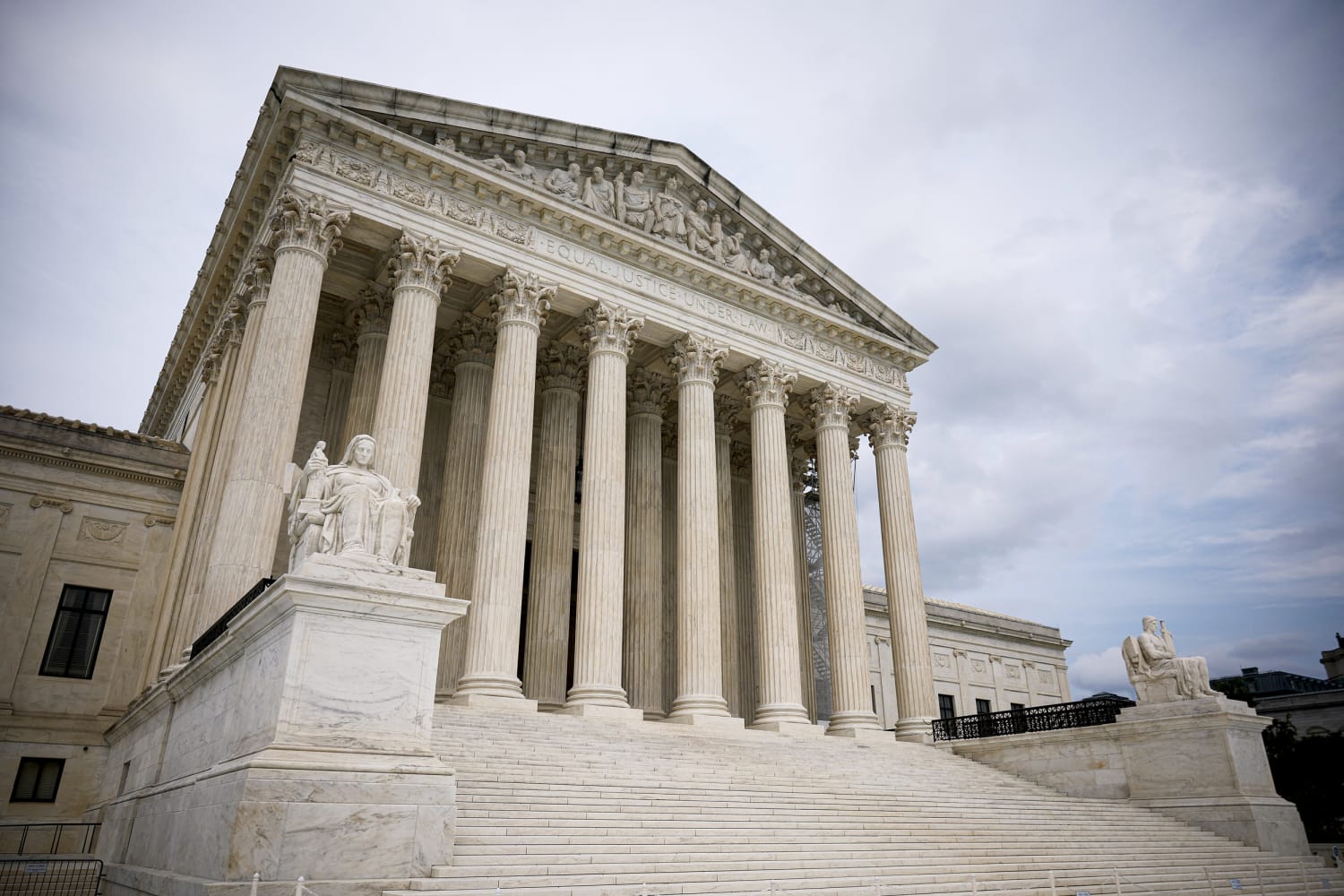
Even Roberts and Scalia agreed that Mass. v. EPA is the law
An important precedent has been overlooked in the coverage of the Trump EPA’s repeal of the 2009 Endangerment Finding. The 2009 finding relied was based on , in which the Court had held that the Clean Air Act covers air pollution and directed EPA to determine whether greenhouse gases are harmful. One reason to worry about the litigation is that the conservatives Justices all dissented from Massachusetts v. EPA over the repeal. But there’s another equally important precedent: American Electric Power v. Connecticut (AEP). That ruling was joined by Chief Justice Roberts and Justice Scalia, so it may carry more weight.
CONTINUE READINGCan the Endangerment Finding be Repealed? Not While MASS. v. EPA Still Lives.

On any fair reading of Justice Stevens’s opinion, the Endangerment Finding is valid.
EPA claims that its justifications for repealing the Endangerment Finding are consistent with the ruling in Mass. v. EPA. That’s just not true.
CONTINUE READINGJoin Our Mailing List
Climate policy is changing rapidly. Stay in the loop with expert analysis via email Monday - Friday.

The Drain is a roundup of climate and environmental news from Legal Planet delivered to your Inbox once a week.