











































Keeping the Energy Transition Affordable
A new CLEE report identifies policy solutions to lower California’s electricity rates.

In recent years, California’s already-high electricity rates increased far beyond the rate of inflation. Unsustainably high electricity rates threaten California’s continued progress on climate change and pose painful affordability burdens on California residents and businesses. High electricity rates also threaten California’s leadership in decarbonization and the clean energy transition, which largely relies on the electrification of multiple areas of the state’s economy away from fossil fuels. Furthermore, the state faces the dual challenge of increasing electricity infrastructure investment needs to meet decarbonization goals while facing higher climate-related disaster costs.
A new report from CLEE examines the root causes of California’s increasing electricity rates and discusses what to do about it. The rate shock of recent years occurred due to an accumulation of factors over many years. Wildfire related costs and distribution grid infrastructure in particular drove recent rate increases. CLEE’s report focuses on the structural incentives that influence utility business decisions and the constraints faced by regulators trying to control costs.
While no single solution exists to California’s electricity affordability crisis, sustained effort by policymakers, regulators, and utilities can meaningfully lower costs and reduce the price of electricity for Californians. The report identified several potential reforms:
- The California Legislature and Public Utilities Commission could limit the use of single-issue ratemaking mandates and tracking accounts, absent extraordinary circumstances.
- The legislature could increase public and public-private partnership funding of utility capital expenditures.
- The legislature could direct the public utilities commission to consider further reducing return on equity (in whole or in part), including a split return on equity with a lower return on wildfire mitigation plan and utility infrastructure undergrounding capital expenditures.
- State and local governments could increase logistical and financial support for community hardening to protect communities and redirect utility mitigation expenses toward efforts that reduce liability.
- The legislature or leading stakeholders could research and propose longer-term governance reform of the CPUC, including potential measures such as splitting its jurisdiction between energy and other sectors and altering the quasi-judicial processes.
California’s ongoing progress toward decarbonization goals and the increasing intensity of electricity use for the economy will require continued, large investments in the electric grid. This progress remains vital as a demonstration of global leadership to address climate change, achieve local emission reductions, and develop new, zero-carbon technologies and industries within the state, among other goals.
Yet California must also find a way to pay for the increasing costs of adapting to a changing and more volatile climate. This dual need for a modernized electric grid and wildfire-resistant infrastructure has and will continue to require an immense amount of expenditures.
The need to deploy capital investment to build out the infrastructure necessary to meet a growing demand for power is not a new condition. For over a century, regulators have worked to balance the competing interests of safe, reliable utility service at just and reasonable rates. Foundational principles of cost of service ratemaking that govern electric utilities and their regulators offer solutions that can push for better cost controls while maintaining safe and reliable electric service.
Access the full report here: Powering Down Prices: Policy Solutions to Lower California’s Electricity Rates
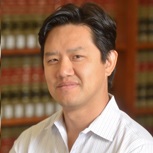
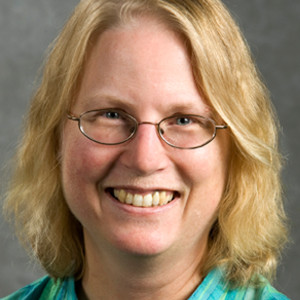
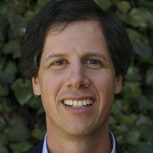
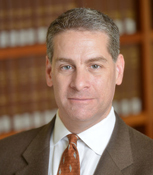
To learn more, register for a free webinar about the report on Tuesday, July 14 from 1pm to 2pm PT, featuring:
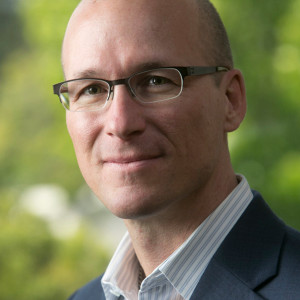
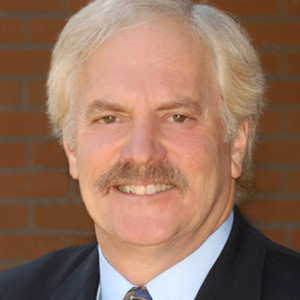
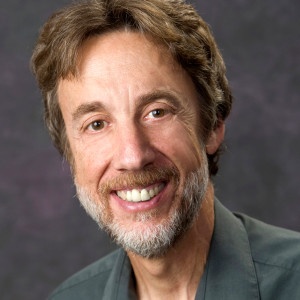
- Senator Josh Becker, CA Sen. District 13 (Keynote Speaker)
- Ethan Elkind, Director of the Climate Program, Center for Law, Energy and the Environment (Moderator)
- Martha Guzman Aceves, Former EPA Region 9 Administrator and Former California Public Utilities Commissioner
- Matthew Freedman, Staff Attorney, The Utility Reform Network (TURN)
- Travis Ritchie, Energy and Climate Research Fellow, Center for Law, Energy, and the Environment

About Travis
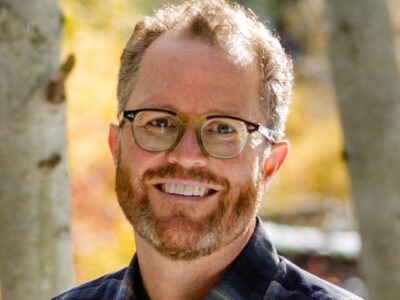
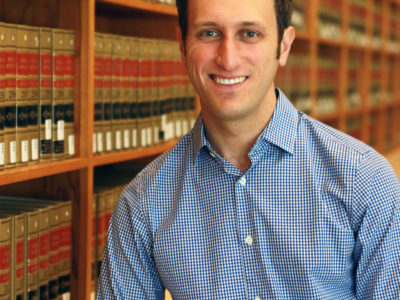
Travis Ritchie is a Climate and Energy Research Fellow at CLEE. He specializes in electric utility rates and regulation. His research focuses on electricity affordability…
READ more
Reader Comments