
















































Advice for California’s Next Governor: Transportation
Recommendations from CLEE’s policy roadmap for the incoming administration
Tuesday’s elections delivered a nationwide sweep of results with positive potential for climate and environmental policy.
The new Congress will have power to slow or reverse some of the Trump Administration’s attacks on federal clean air and clean water policy and the opportunity to reinstate some clean energy tax credits. State legislatures and governorships in places like Ohio, Pennsylvania, and Texas can tackle the data center question with an eye toward protection of communities and the environment. Even nationally low-profile bodies like the Georgia Public Service Commission will have the power to shift energy regulation more in favor of consumers and climate.
While these topics did not dominate the national conversation, the cost of gas and diesel–which sits at the core of the climate effort–did. And while the results here in California are perhaps not as surprising as the rest of the country, the environmental policy stakes of the leadership transition remain high.
As my CLEE colleague Louise Bedsworth discussed last week, CLEE and a group of expert partners developed a suite of environmental policy recommendations for the incoming governor, on topics ranging from electricity affordability to water sustainability. With Xavier Becerra now confirmed in that role, we will highlight groups of these recommendations in a series of posts over the coming weeks. In this post, I’ll discuss our clean transportation strategies.
Transportation was not a top issue during the gubernatorial race (though it’s difficult to say what was a top issue in this race) aside from the rising cost of gas and diesel resulting from the Iran War. Steve Hilton promised $3 gas and to dismantle the DMV (?), Becerra promised to stabilize prices and also indicated openness to relaxing vehicle electrification standards, they disagreed about the gas tax and replacements, and that was about it.
However, transportation was on the California ballot on Tuesday. Bay area residents approved Regional Measure RTM, which will provide nearly $1 billion per year to funding BART, Caltrain, SF Muni, and AC Transit service via a sales tax increase. San Francisco voters also approved Proposition H, a parcel tax that will raise an additional $160 million per year for SF Muni service. Meanwhile, Fresno voters appear to have rejected Measure S, which would have raised about $250 million per year for local transit services.
Despite a lack of candidate attention, transportation is perhaps the top climate issue for voters when viewed holistically: how we get around determines how we live. Access to a car or to quality transit is a key determinant of economic opportunity and quality of life. Overlong commutes dominate the weeks of far too many Californians who lack the latter but are priced out of urban centers. High fuel and insurance costs can displace other life necessities. And cars and trucks are the leading contributors to our climate and air quality crises.
So what should Governor-Elect Becerra prioritize in this sector that impacts quality of life, job access, affordability, economic development, air quality, and climate change? CLEE and our partners offered key strategies such as:
- Facilitate leadership and coordination across transportation agencies. California spreads state authority for transportation matters across nearly a dozen agencies, ranging from Caltrans (highway construction and transportation planning) to the California Air Resources Board (vehicle emissions regulation and incentive funding) to the Governor’s Office of Business and Economic Development (clean vehicle market development and charging strategies). The Governor appoints leadership at all of these agencies and can direct them to take coordinated action prioritizing mobility, affordability, and emissions reduction.
- Renew California leadership on vehicle electrification and explore legal innovations. The Trump Administration and Congress have attacked California’s clean vehicle regulations. Through support for litigation, partnership with the new Congress, and ambitious leadership at the California Air Resources Board, the Governor can help overcome this roadblock. Policies that focus on the cost and resilience benefits of grid-integrated vehicle batteries, address air quality within the often low-income districts that suffer from the air pollution from truck and logistics traffic, and consumer protection for drivers including EV buyers should be at the top of the list.
- Preserve and expand public transit funding. Tuesday’s measures in the Bay Area provide a needed lifeline, but California’s public transit systems are suffering from low ridership and funding cuts across the board. Ensuring these systems–major rail networks like BART and LA Metro as well as rural bus services–maintain service is vital for both our sustainability goals and economic opportunity for those who do not have automobile access. The Governor can both support this baseline funding and work with the Legislature to expand service to serve communities and reduce emissions across the state.
These are just a few among many subject-matter recommendations we’ll be sharing in the coming weeks. As the incoming Becerra Administration takes shape, transportation policy presents a key opportunity to address environmental and cost of living concerns together. Doing so can continue California’s long record of leadership on this issue while shaping a new era of clean, equitable mobility.
Reader Comments
One Reply to “Advice for California’s Next Governor: Transportation”
Leave a Reply

About Ted
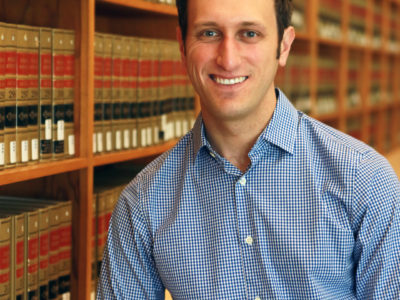
Ted Lamm is CLEE’s Associate Director. In this role, he coordinates CLEE’s Research Fellow program and leads CLEE’s EV Equity Initiative, a multi-year effort to dev…
READ more
Thank you!