

























































SB 1221
CPUC Proposed Decision Risks Derailing Gas Transition

California passed a promising Neighborhood Decarbonization Program. The CPUC’s plan for implementing SB 1221 sets it up to fail.
My UCLA colleagues and I have written extensively on the promising opportunity for SB 1221 to help interested communities transition off gas. Now, the California Public Utilities Commission (CPUC) has released its long-awaited proposed decision on its plans to implement the SB 1221 pilot program, and the proposal is…disappointing. The current design seems to set the program up to fail. Of biggest concern, the decision proposes to require pilot applicants to navigate a multi-stage process with duplicative …
Continue reading “CPUC Proposed Decision Risks Derailing Gas Transition”
CONTINUE READINGCalifornia Has a Neighborhood Decarbonization Law. How Does It Work?
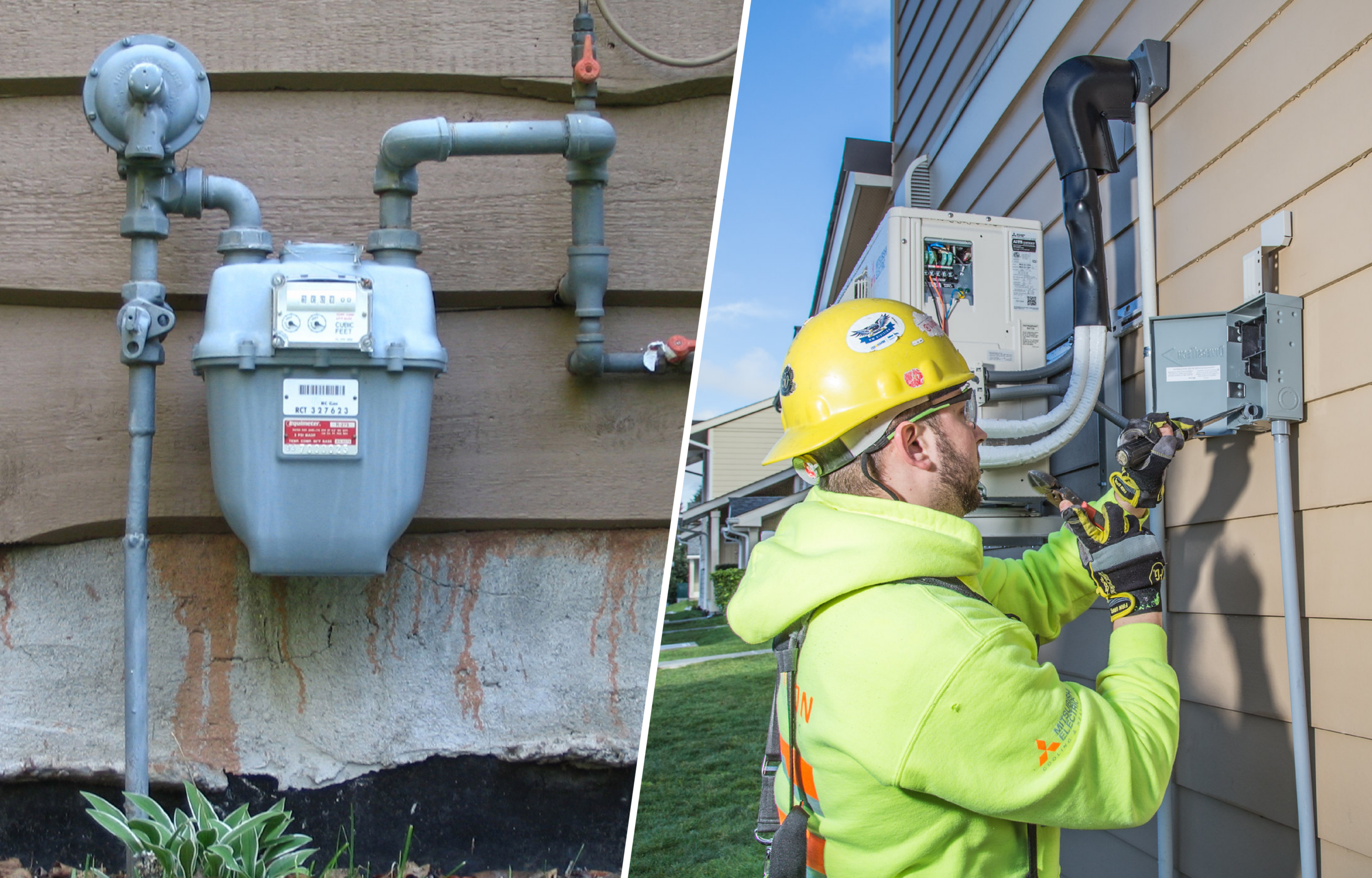
New FAQ from UCLA outlines what we know (and don’t know) about the implementation of SB 1221, California’s landmark neighborhood decarbonization law.
By Sooji Yang, Lauren Dunlap, Elias van Emmerick, and Gregory Pierce The California Public Utilities Commission (CPUC) is currently navigating a wide array of questions from stakeholders as it designs a first-of-its-kind program to transition entire blocks of buildings from natural gas to zero-emission alternatives. Guidelines for the pilot program—a central component of Senate Bill …
Continue reading “California Has a Neighborhood Decarbonization Law. How Does It Work?”
CONTINUE READINGCrafting a Roadmap for Zonal Decarbonization in California

A new series of briefs from the UCLA Emmett Institute offers legal insights for the gas transition. First up: SB 1221.
California has a $43 billion problem: that is the estimated cost of maintaining the state’s gas network over the next twenty years. That is an astronomical amount to spend on what state policy dictates will eventually become stranded assets: California won’t be able to meet its ambitious climate goals unless it moves away from natural gas altogether, so retirement of these assets is …
Continue reading “Crafting a Roadmap for Zonal Decarbonization in California”
CONTINUE READINGThe CPUC Makes Good on Neighborhood Electrification
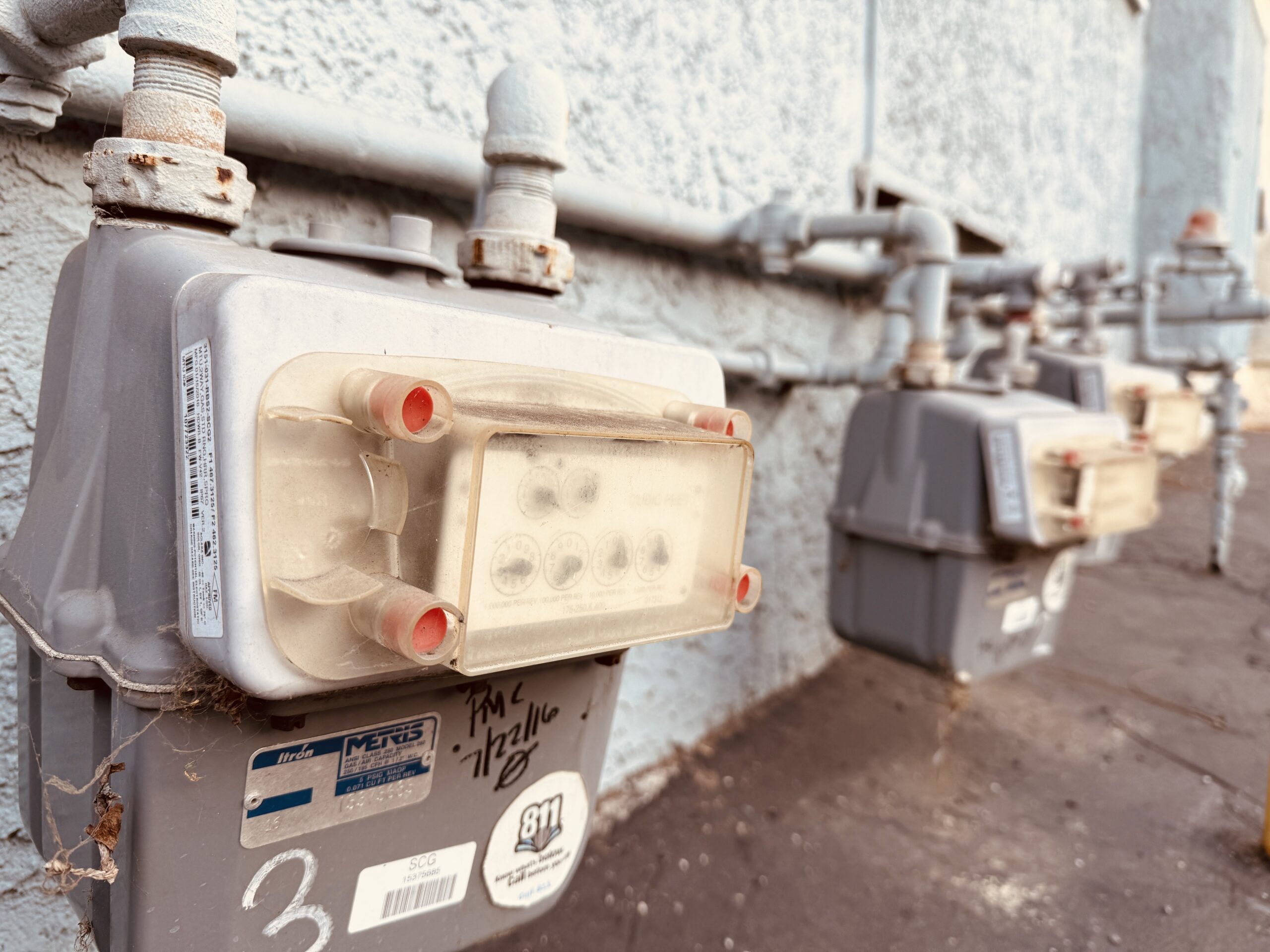
The state’s gas utilities tried to delay priority zones for decarbonization. The CPUC rejected that approach and has selected priority neighborhoods.
Here’s something to celebrate: the California Public Utilities Commission (CPUC) released its proposed decision designating initial priority neighborhood decarbonization zones. Loyal readers of Legal Planet will have followed our coverage on SB 1221, a law passed last fall that allows the CPUC to support “neighborhood decarbonization zones” to transition away from natural gas toward zero-emissions alternatives. Phasing out natural gas …
Continue reading “The CPUC Makes Good on Neighborhood Electrification”
CONTINUE READINGGas Utilities Can Do Better on Neighborhood Electrification
The state’s largest gas utilities are trying to delay priority zones for decarbonization and to block public access to important data. The CPUC should push them to do more.
Last fall, I wrote about the promise of SB 1221, a law that created a pathway for the California Public Utilities Commission (CPUC) to approve pilot projects that will support priority “neighborhood decarbonization zones” to transition away from building gas service toward zero-emissions alternatives, including electrification and thermal energy networks. Now, the gas utilities have …
Continue reading “Gas Utilities Can Do Better on Neighborhood Electrification”
CONTINUE READINGJoin Our Mailing List
Climate policy is changing rapidly. Stay in the loop with expert analysis via email Monday - Friday.

The Drain is a roundup of climate and environmental news from Legal Planet delivered to your Inbox once a week.