

























































Federal Climate Policy
Blowing in the Wind
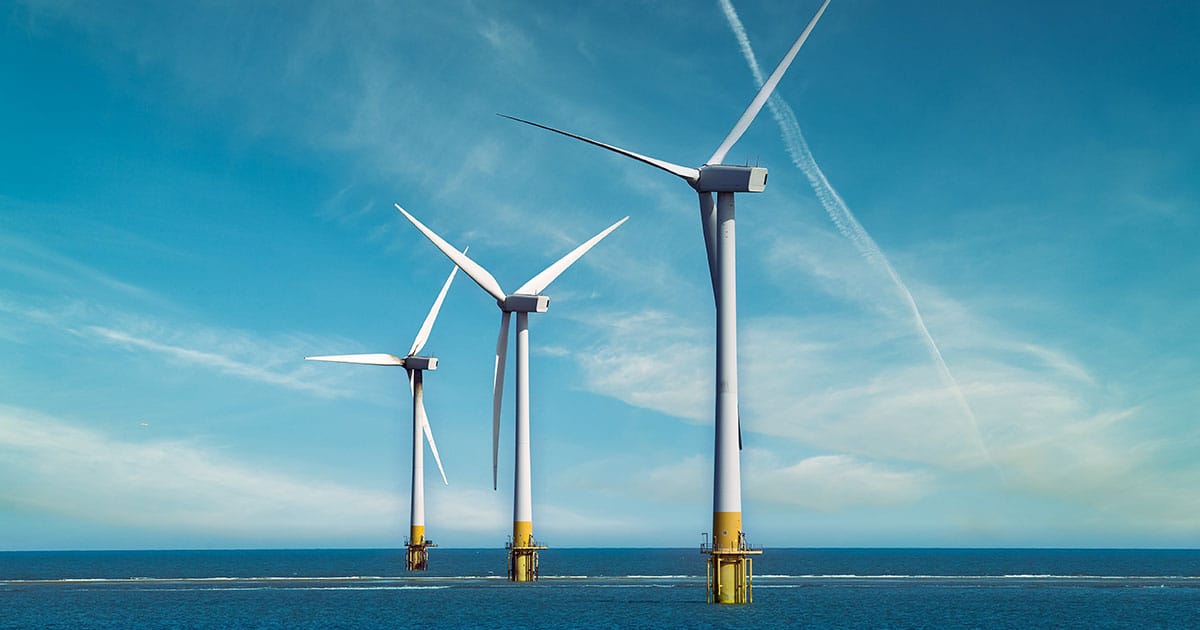
The Trump Administration once again proves shortsighted and spiteful.
Just as sponsors are making a push to get a bipartisan permit reform bill through the lame duck session of Congress, the Trump Administration has apparently decided to sabotage the process. Democrats have worried that it does no good to streamline permitting for clean energy projects if the government simply yanks the permits later. That’s exactly what the Administration is planning to do, yet again, in a case where it has repeatedly lost in court.
CONTINUE READINGWhen and How to Oppose Fossil Fuels

The answer is clear: “It depends.”
There’s been a lot of talk about whether climate policy should focus on promoting clean energy or should push hard to limit fossil fuels. To some extent, these are two side of the same coin. Yet, the politics could be very different. The debate has been too simplistic. What stance to take about opposing fossil fuels depends on who you are and where you sit, which fossil fuel is involved, and what kind of regulation is at issue. The nuances matter here, and the stakes are huge.
CONTINUE READINGJudge Smacks Down EPA’s Attempt to Revoke Six of California’s Waivers

She calls EPA’s legal arguments Orwellian.
Judge Beryl Howell of the U.S. District Court for the District of Columbia is having none of EPA’s shenanigans in the agency’s most recent attempt to revoke four of California’s waivers to cut pollution from vehicles. On Wednesday, Howell issued a preliminary injunction — accompanied by a stinging opinion – ordering the agency to …
Continue reading “Judge Smacks Down EPA’s Attempt to Revoke Six of California’s Waivers”
CONTINUE READINGWhat We Know About Trump’s Impact on Clean Energy

U.S. clean energy has taken a major hit but not a fatal one.
Biden’s climate legacy has taken serious hits but more has survived then we feared. There’s a general impression that Trump has wiped out Biden’s ambitious climate statute and with it brought the energy transition to a halt. It’s become clear that the situation is a lot more complicated than that. Politico has unearthed new evidence about funding under Biden’s Inflation Reduction Act. That new evidence complements some of the other pieces of the puzzle. Here’s what we know at this point.
CONTINUE READINGConsumer Clean-Energy Sovereignty
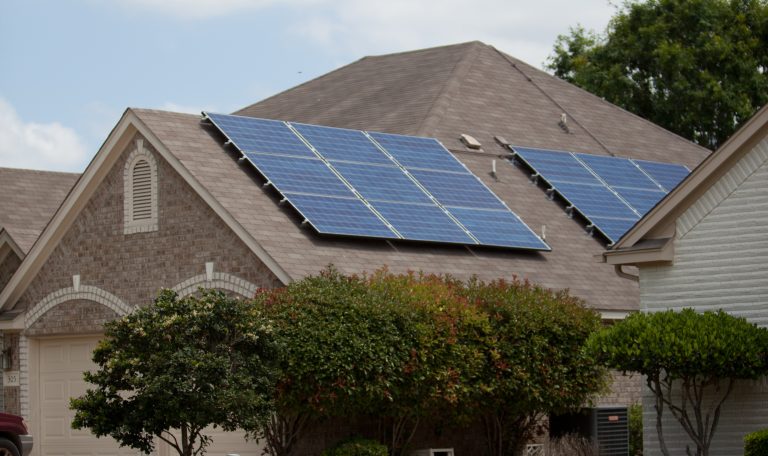
Consumers seem to be voting with their wallets for clean energy.
In the second quarter (Q2) of 2026, “clean energy and transportation investment in the United States totaled $75 billion, a 22% increase from Q1 2026 and a 4% jump from Q2 2025.” Considering Trump’s effort to summon all the power of the federal government to destroy clean energy, that’s not bad. One surprise: consumer spending accounted for more than half the total.
CONTINUE READINGDear 2026 1L
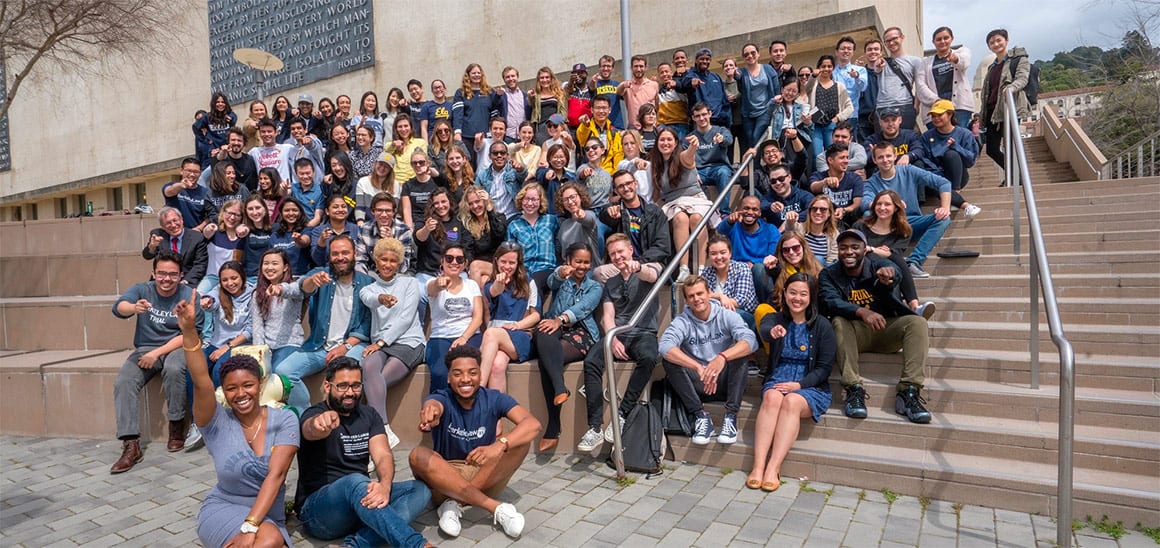
Today’s entering law students are preparing to start careers at a critical time for the environment.
Welcome to law school. You’re beginning your life in the law at a critical time. What we do together between now and 2035 will determine what your lives look like in 2050 and 2080, and what your children and grandchildren will see in the next century. So, grab your books, get yourselves ready, and be prepared to head for the legal trenches when you graduate. No time to waste!
Strategies for the 2030s
We lost the Battle of 2025. But we haven’t last the fight for sustainability.
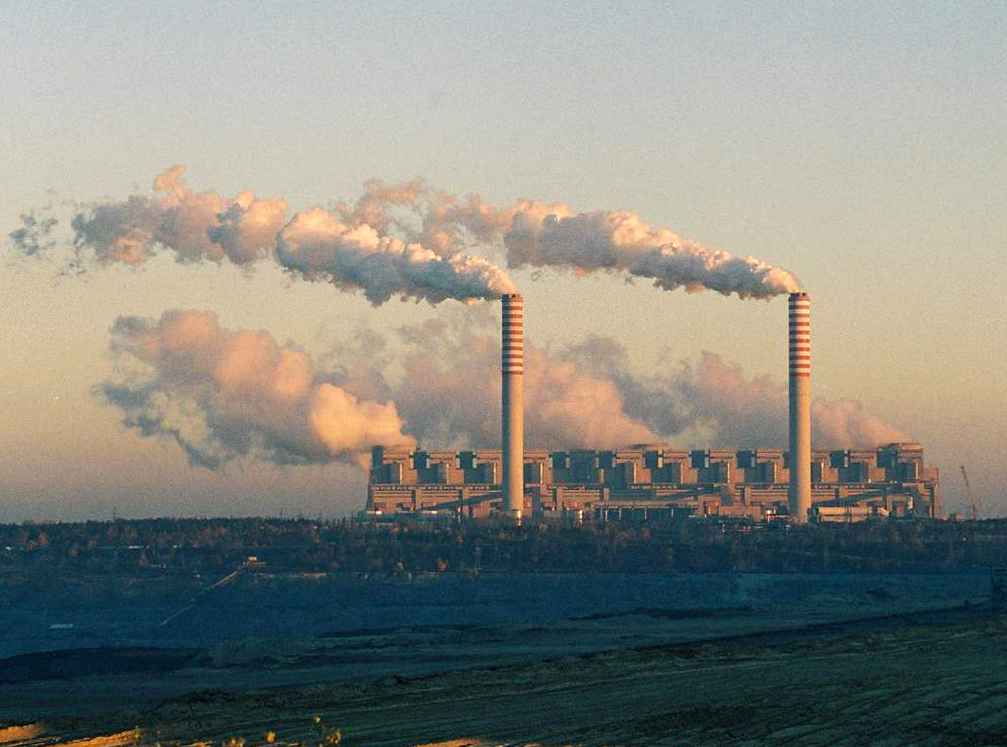
Two recent models have some welcome news: Trump’s rollbacks and assault on the Inflation Reduction Act have not been as cataclysmic as feared. At least not yet. The models come from different sources — an MIT researcher and the Rhodium firm — using different methodologies. The models also have implications about the next steps in climate policy. Both models highlight the critical need to rip down barriers to clean energy and transmission build out.
CONTINUE READINGThe Sting in the Tail of the Clean Air Act

Weakening restrictions on polluters can trigger different restrictions.
Some of Trump’s most important anti-environmental moves involve unleashing air polluters. There’s a problem with this strategy, however. Doing so raises air pollution levels, which can bring states into collision with other Clean Air Act (CAA) requirements. Thus, the effect could be much tighter restrictions on other sources to compensate for looser standards on some. Worse, this effect isn’t limited to the most directly affected states. They may turn around and demand that upwind states reduce their own emissions to help the downstream states meet federal standards. Even when this isn’t true, and where the state that suffers may be Democratic-leaning and thus of no concern to Trump, there could be economic repercussions in other states.
Two notable examples of this problem involve coal generators and vehicle regulation. The first example involves coal. Trump has exempted coal-fired power plants from pollution limits to allow them to remain open longer. According to E&E News, “Air pollution from coal-fired power plants spiked in 2025, a striking reversal of long-term progress in air quality as the Trump administration boosted coal use. The emission increases were among the largest in at least a quarter-century, on a percentage basis, as the bulk of about 210 power plants registered increased sulfur dioxide and nitrogen oxide emissions,” Power plant sulfur-dioxide emissions were up 18% and nitrogen oxides were up 12%. This is contrary to a strong long-term declining trend.
The second example involves vehicle emissions. Under the CAA, state laws regulating vehicle emissions are generally preempted, but California can apply for a preemption waiver if it needs stricter regulations, and other states can piggyback on California’s standards. California’s ability to seek a waiver has been more limited since, at Trump’s instigation, Congress overturned EPA’s approval of several California waiver requests. The Trump Administration has independently taken the view that California can’t require manufacturers to sell more EVs as a way to meet standards. Although Republicans were mostly targeting California’s standards for greenhouse gases, they have also hampered California’s ability to get waivers for smog and particulates.
The problem arises because stopping a state from regulating some polluters may legally require it to tighten other regulations. Under CAA section 110, states must have state implementation plans that will achieve national air quality standards set by EPA. If one type of source pollutes more, other sources must offset the increased pollution by polluting less. Other CAA provisions put the screws on states that exceed the national standards. As a result, if the Feds exempt one source of nitrogen oxides (perhaps by repealing California waiver), states that had adopted the California standard will need to tighten regulations of other sources. Thus, exempting nitrogen oxides from trucks or cars, or from coal power plants, might require stricter controls on other sources such as natural gas power plants. Moreover, if a state is unable to achieve the national air quality standard, the so-called “Good Neighbor” provision allows it to demand emission reductions from upwind states.
In other words, exempting some sources increases the regulatory burden on others. The exemption may even increase the total regulatory burden, if pollution from those other sources is more expensive to control than pollution from the exempted sources. Here’s why.
CONTINUE READINGPondering the Effects of Biden’s Climate Policies
A new report has some unexpected implications.
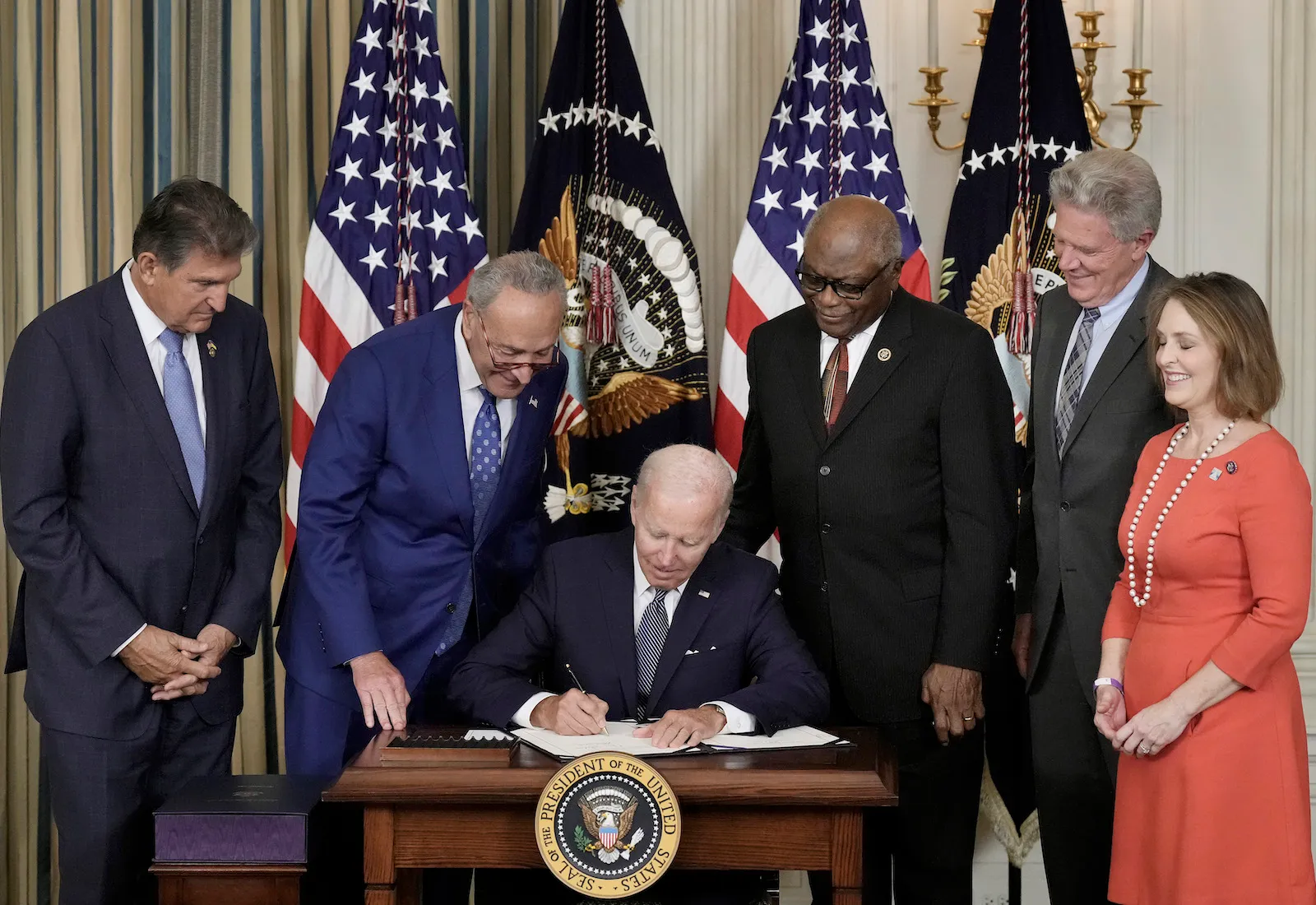
A new report from an MIT researcher says that the “glass is half full” in terms of prospects for renewables in the U.S. This was interpreted by some to mean that Biden’s climate policies were proving successful despite repeal of key parts of the Inflation Reduction Act. That’s a bit of a misreading. It also misses some key takeaways from the report. Those include skepticism about tax credits for wind and solar, an emphasis on removing obstacles to new projects, and a call for supporting the development of “firm” power sources like geotherma
CONTINUE READINGBring Back “Trump Classic”

The original version of Trump was bad. The current version is much worse.
Trump has succeeded in his second term in making every past President including even himself look better. We’re now almost a year and a half into Trump’s second term. From almost every point of view, it’s worse than his first term. It reminds me of the “New Coke” that Coca Cola once introduced, which was a disaster that led to the reintroduction of what was then dubbed “Coke Classic.” Trump Classic was committed to fossil fuels and eliminating environmental protections. But in almost every respect, his policies were less radical and his methods were less drastic.
Join Our Mailing List
Climate policy is changing rapidly. Stay in the loop with expert analysis via email Monday - Friday.

The Drain is a roundup of climate and environmental news from Legal Planet delivered to your Inbox once a week.