



























































The Top Ten Things to be Thankful for this Year
It’s been a horrible year for federal environmental law, but there are hopeful developments elsewhere.
This is, if not the winter of our discontent, at least the late autumn. In terms of federal environmental policy, 2025 has been a disaster. Trump’s previous term in office pales by comparison. But all is not gloomy. Outside of D.C., there have been encouraging developments within the U.S. and globally.
Here are ten of those positive developments.
China. China’s greenhouse gas emissions went down in 2025 for the first time. China also pledged to cut emissions 7–10% from peak levels by 2035. These developments are especially important since China is the world’s #1 emitter. As UCLA’s Alex Wang has said, “The Trump administration seems to be thinking about the next three years while rival nations are thinking about the next three decades.”
1. Renewables energy surge. For the first time, renewables surpassed coal globally as a power source in the first half of 2025. China dominates markets in battery storage, electric vehicles, solar panel production, and wind turbine production, pushing prices lower. I wish it had been the US that China is driving clean energy growth globally, but I’m glad that someone is doing it.
2. U.S. Solar. Solar power continued to dominate new power sources in the U.S., though rollbacks are expected to have a longer-term effect.
3, .California. The California legislature extended the state’s successful cap-and-trade program till 2045. It also set the stage for expanding a Western electricity market that is expected to lead lower costs for reducing emissions and encourage emission reductions outside the state.
4, India. Rapid expansion of clean energy meant that coal declined as a source of electricity for the first time.
5, RGGI. The ten-state East Coast carbon trading system tightened its target, which will reduce carbon emissions by almost 80% by 2040. Pennsylvania is dropping out, but this has not immediate practical impact since the state’s participation had been enjoined by a court anyway.
6. Holding the Line. States representing about half the U.S. population have set deadlines for achieving a carbon-free grid or a carbon-neutral economy. They have shown no signs of folding despite Trump’s onslaught.
7. ICJ judgment. The International Court of Justice has issued an advisory opinion about national obligations to cut emissions. It admonishes countries to set emission trajectories consistent with achieving the goals of the Paris Agreement and also provides a basis for corporate liability for lack of planning. The court can’t force countries or corporations to comply but the opinion does increase the pressure on them to take action.
9. Treaties. An international treaty to regulate fishing on the high seas was ratified by the 60th country, which will officially bring the treaty into force early next year. A WTO agreement that bans subsidies for unsustainable fishing also came into force.
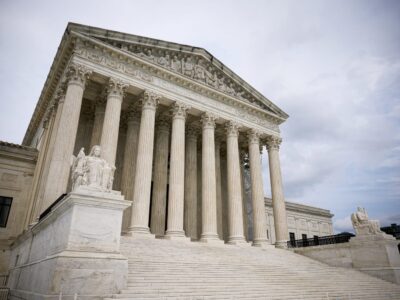
10. The Supreme Court. The good news is that there are no cases involving environmental regulation on the Supreme Court docket. The conservative supermajority has been on a tear of anti-environmental activism, so no environmental news is good environmental news when they’re involved.
Reader Comments
One Reply to “The Top Ten Things to be Thankful for this Year”
Comments are closed.
About Dan

Dan Farber has written and taught on environmental and constitutional law as well as about contracts, jurisprudence and legislation. Currently at Berkeley Law, he has al…
READ more
Thank You for the Good News Prof. Farber.
Now you must report the most necessary solutions that must be implemented in time to guarantee an acceptable Quality of Life for our newest generations.
You must also dedicate all university resources today to save our civilization in time.