
























































California
New Issue Brief: Community Engagement in Equity-Oriented EV Planning

Examining lessons from the Monterey Bay EV CAR Framework.
As federal support for the EV transition recedes, state and local planning processes are playing an increasingly central role in shaping equitable access to clean mobility infrastructure. Community engagement is a critical component of these efforts, yet relatively few case studies document how equity-oriented engagement processes work in practice. CLEE has released a new issue …
Continue reading “New Issue Brief: Community Engagement in Equity-Oriented EV Planning”
CONTINUE READINGThe Story of California’s Advanced Clean Trucks Regulation

New CLEE report & webinar tells the story of this first-of-its-kind supply-side regulation for zero-emission trucks
California has been a global pioneer on electric vehicles, and that leadership extends to zero-emission trucks. To address the pollution and disproportionate impacts on disadvantaged communities, the California Air Resources Board (CARB) adopted the first-of-its-kind Advanced Clean Trucks (ACT) regulation in 2020. This landmark standard required truckmakers to begin selling zero-emission versions (such as battery …
Continue reading “The Story of California’s Advanced Clean Trucks Regulation”
CONTINUE READINGCan Sustainability Be Abundant, Safe, and Affordable?

Read and watch key takeaways from the UCLA Emmett Institute’s 2026 symposium on climate policy and affordability.
This month, the UCLA Emmett Institute explored the intersection of climate goals, affordability concerns, and environmental protections by hosting a symposium titled “Can Abundance Be Sustainable?” The all-day, public event at UCLA School of Law brought together academics, community advocates, policymakers, journalists, students and—not one but two—heads of utility regulatory bodies. The goal was to think deeply about the path …
Continue reading “Can Sustainability Be Abundant, Safe, and Affordable?”
CONTINUE READINGCalifornia’s Gas System Is Crumbling. SB 1359 Charts a Path to a Clean Energy Future.

SB 1359 (Stern, 2026) would adopt many of the proposed policies outlined in the 2025 UCLA Law report, “Go Big, Save Big: Approaches to Fund Building Electrification in California.”
A new bill introduced by Sen. Henry Stern, SB 1359 (2026), titled the “Gas Transition Responsibility and Electrification Act,” would establish a comprehensive framework to manage the transition away from natural gas and toward electrification in a way that protects ratepayers, reduces emissions, and ensures an orderly and equitable phase-down of gas infrastructure. Specifically, SB …
CONTINUE READINGClimate Issues in the 2026 Governor’s Race: Energy Transition

Seventh in a series of posts outlining key challenges and opportunities facing California’s next governor
California is pursuing some of the world’s most ambitious clean energy goals, including a legally mandated zero-emissions electricity sector and statewide GHG emissions neutrality by 2045. When it comes to the energy transition, the stakes for the incoming governor are high: a massive surge in electricity demand from electric vehicles, building electrification, and data centers …
Continue reading “Climate Issues in the 2026 Governor’s Race: Energy Transition”
CONTINUE READINGThe Future of the Colorado

There’s not enough water to go around, but there’s no agreement about what to do.
The Colorado River provides water to 40 million people and about 5.5 million acres of irrigated farmland. There’s only so much water to go around, so how to divide up the water has been hotly disputed for over a century. The previous agreement has come unstuck, but finding a replacement has proved devilishly difficult. I suspect that the Feds would rather avoid this political hot-potato through a state agreement. So far, however, state negotiations haven’t been successful. Maybe the impending threat of a federal mandate will light a fire under the negotiations. Otherwise, we are probably guaranteed years of litigation while the river runs dry.
CONTINUE READINGCalifornia Has a Neighborhood Decarbonization Law. How Does It Work?
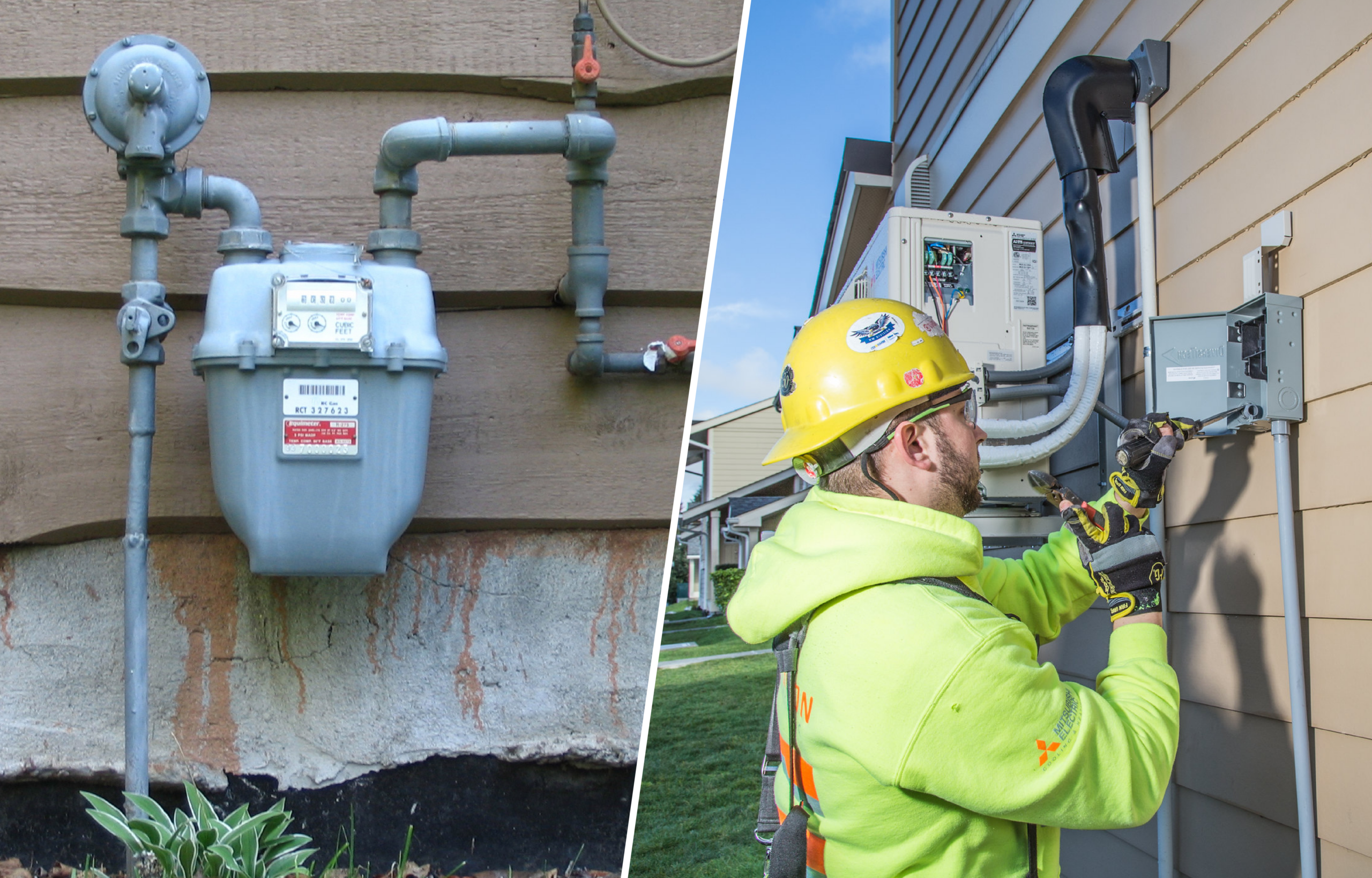
New FAQ from UCLA outlines what we know (and don’t know) about the implementation of SB 1221, California’s landmark neighborhood decarbonization law.
By Sooji Yang, Lauren Dunlap, Elias van Emmerick, and Gregory Pierce The California Public Utilities Commission (CPUC) is currently navigating a wide array of questions from stakeholders as it designs a first-of-its-kind program to transition entire blocks of buildings from natural gas to zero-emission alternatives. Guidelines for the pilot program—a central component of Senate Bill …
Continue reading “California Has a Neighborhood Decarbonization Law. How Does It Work?”
CONTINUE READING‘Smog and Sunshine’: Achieving Clean Air in California
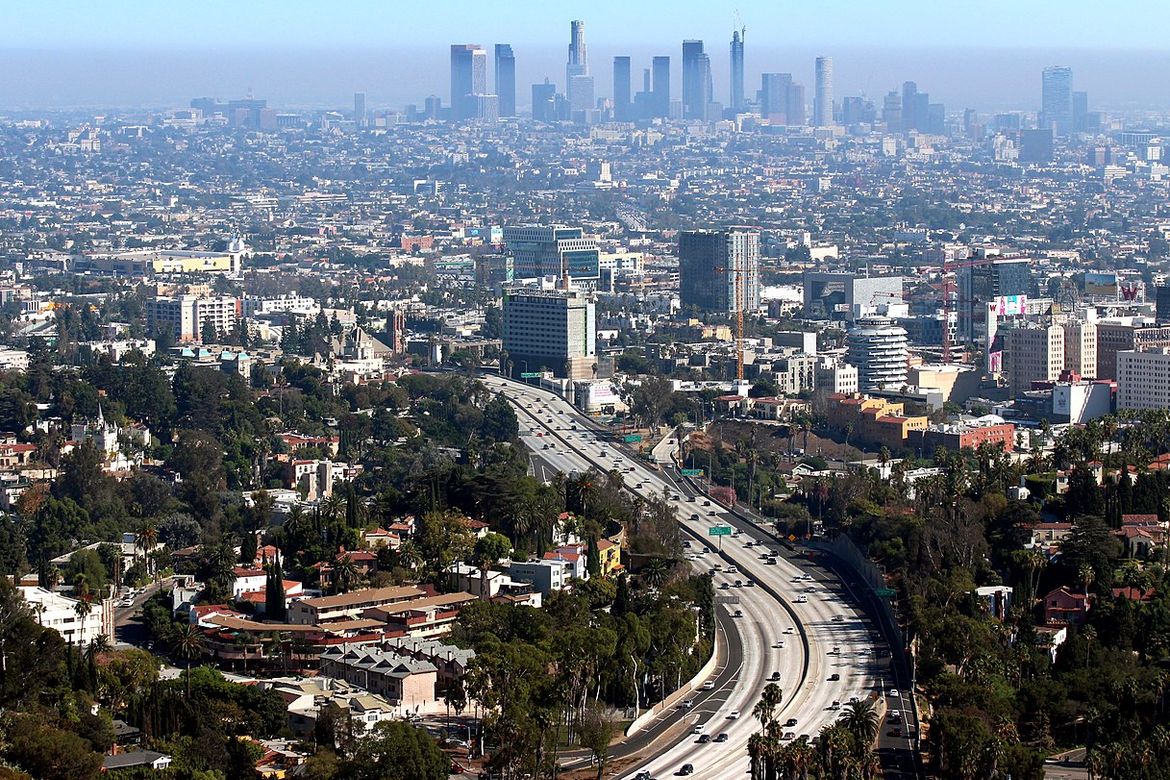
UCLA’s Ann Carlson discusses her new book and how the state can address federal efforts to undo its emissions standards.
Los Angeles is famous for both sunshine and smog. Turns out the two are related. Ozone pollution is caused by the interaction of sunlight and the chemicals that come out of vehicle tailpipes and factory smokestacks. But when Ann Carlson’s family first moved to Southern California, nobody knew what caused smog and there were no laws …
Continue reading “‘Smog and Sunshine’: Achieving Clean Air in California”
CONTINUE READINGThe Promise of Non-Pipeline Alternatives to Gas Lines
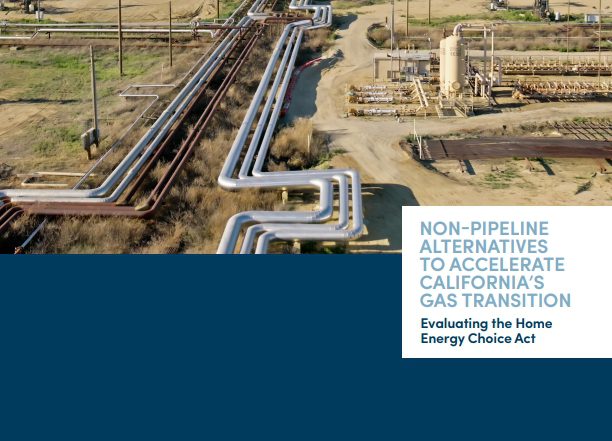
A new UCLA Law brief evaluates the Home Energy Choice Act (AB 2313) by California Assemblymember Marc Berman.
This post was co-written by Guest Contributor Maeve Anderson (J.D. Candidate 2026, UCLA School of Law). California’s transition away from natural gas is accelerating, with new policy tools emerging to speed the shift and ease the financial burden on ratepayers. In February 2026, California Assemblymember Marc Berman introduced the Home Energy Choice Act (AB 2313), a bill that would …
Continue reading “The Promise of Non-Pipeline Alternatives to Gas Lines”
CONTINUE READINGThe War and the Energy Transition
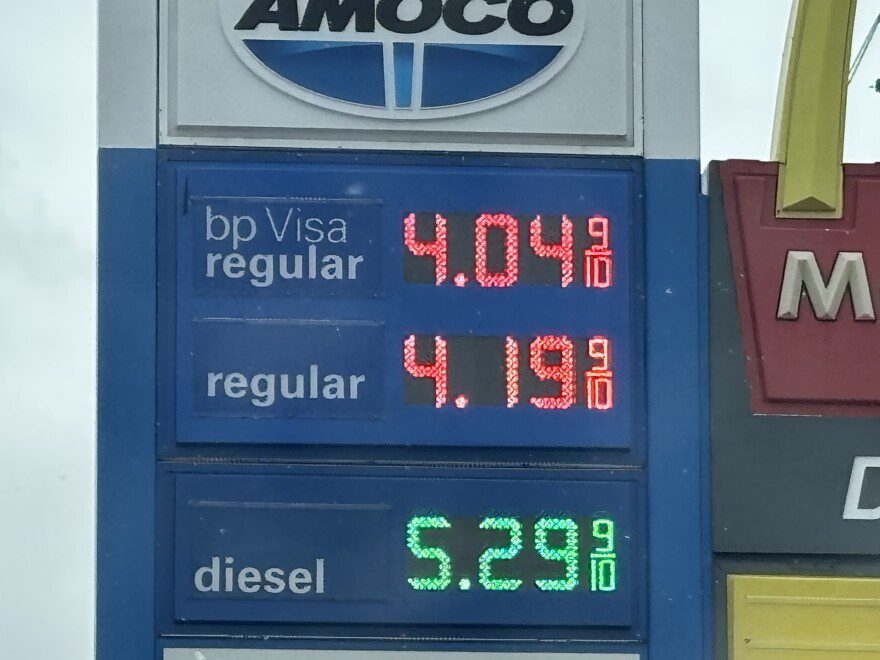
The Iran War it is hitting energy markets hard. Will that affect the energy transition?
The Iran War has been a big shock to the global energy system. It’s natural to wonder what the long terms will be. What it will lead to an orgy of oil and gas drilling, or will it speed up the energy transition? There are enormous uncertainties, and making confident predictions would be a clear mistake. In this post, I’ll try to unpack some of the issues and offer a semi-educated gas about the answers.
Join Our Mailing List
Climate policy is changing rapidly. Stay in the loop with expert analysis via email Monday - Friday.

The Drain is a roundup of climate and environmental news from Legal Planet delivered to your Inbox once a week.